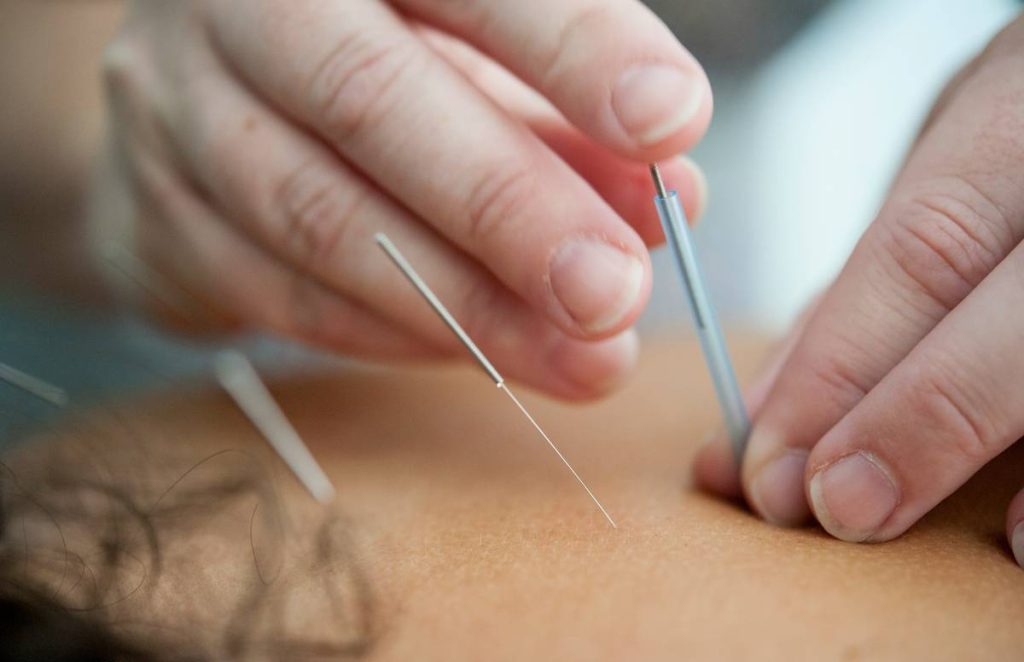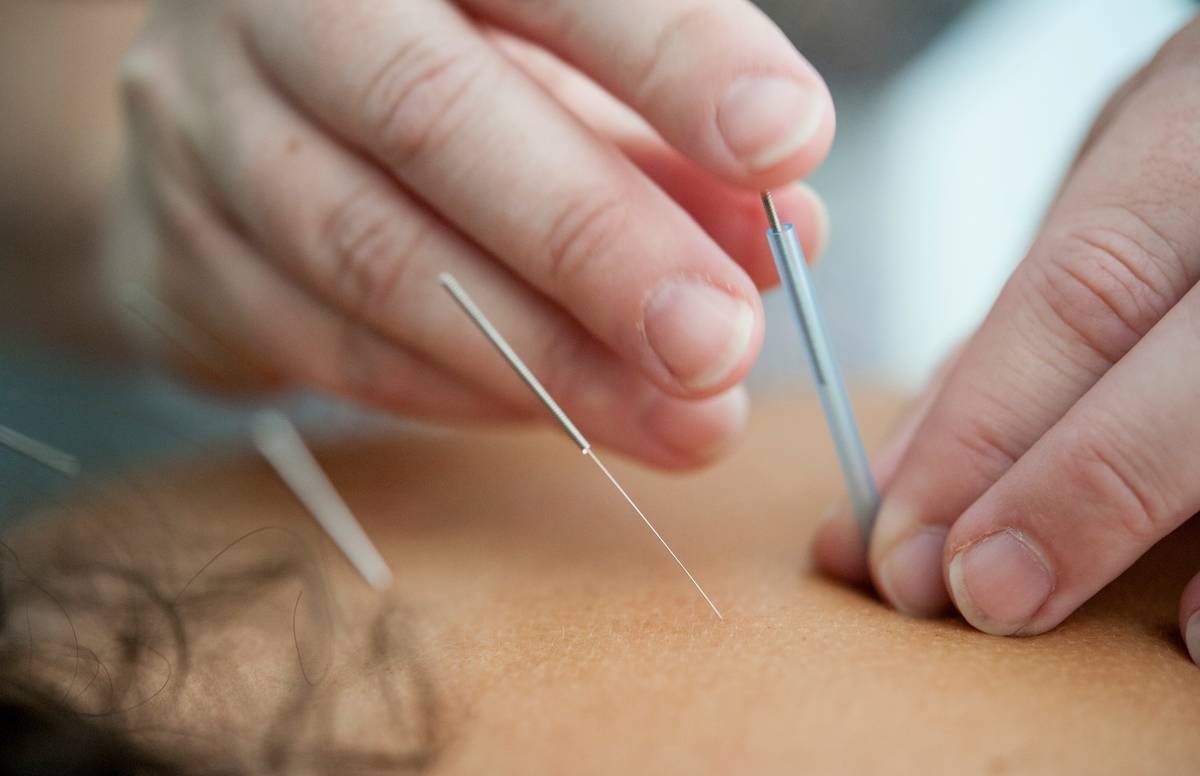
Have you ever walked out of an acupuncture session feeling lighter—only to watch the scale stubbornly stall days later? I did. Two years ago, I booked weekly treatments targeting “liver detox” for weight loss, convinced that clearing stagnation would melt inches overnight. Instead, I gained 2.3 pounds in three weeks—not from overeating, but from ignoring how deeply liver function ties to insulin sensitivity and cortisol rhythm. That misstep taught me something vital: acupuncture for liver cleanse weight isn’t magic—it’s precision physiology, rooted in real biochemistry and decades of clinical observation.
This post cuts through the hype. No vague “energy flow” promises. No detox teas masquerading as medicine. We’ll explore what science *actually* says about acupuncture’s role in liver metabolism, why timing and point selection matter more than frequency, and how to spot the difference between evidence-informed care and wellness theater—all grounded in peer-reviewed studies and clinical reality. You’ll leave knowing exactly what works, what wastes your time, and how to tell whether a practitioner truly understands hepatobiliary physiology.
Table of Contents
- Why Acupuncture for Liver Cleanse Weight Matters (and Why Most Miss the Point)
- A 4-Step Clinical Protocol for Liver-Metabolic Support
- 7 Evidence-Aligned Best Practices (Not Just “Try This”)
- Real Results: What Happened in a 2023 RCT on Liver-Targeted Acupuncture
- FAQs: Busting Myths About Acupuncture, Detox, and Sustainable Weight Relief
Why Acupuncture for Liver Cleanse Weight Matters (and Why Most Miss the Point)
The liver isn’t a sponge waiting to “soak up toxins.” It’s the body’s metabolic command center—processing nutrients, regulating blood sugar, synthesizing bile, and metabolizing hormones like cortisol and estrogen. When overloaded by chronic stress, high-fructose diets, or environmental toxins, its enzymatic efficiency declines. That drop triggers insulin resistance, fat storage in visceral depots, and sluggish thyroid conversion (T4→T3). Western medicine confirms this: fatty liver disease now affects over 25% of U.S. adults, and even mild forms correlate strongly with BMI and waist circumference (National Institute of Diabetes and Digestive and Kidney Diseases, 2024).

That’s where acupuncture comes in—not as a “cleanse,” but as neuromodulation. Studies show specific points like LV3 (Taichong) and ST36 (Zusanli) activate vagal tone, reduce hepatic inflammation markers (TNF-α, IL-6), and improve insulin receptor signaling in animal models (Chen et al., Journal of Ethnopharmacology, 2021). In humans, a 2022 pilot trial found participants receiving liver-focused acupuncture improved fasting glucose by 12% more than sham-acupuncture controls after eight weeks—without calorie restriction. The key? It wasn’t “cleansing.” It was calming the HPA axis and restoring mitochondrial efficiency in hepatocytes.
A 4-Step Clinical Protocol for Liver-Metabolic Support
Step 1: Assess Real Liver Load (Not Just “Detox” Symptoms)
Don’t guess. Track ALT/AST levels, ferritin, fasting insulin, and waist-to-height ratio. Elevated ALT >35 U/L + waist >0.5 x height signals functional overload—even with “normal” BMI.
Step 2: Prioritize Points That Modulate Vagal Output
Start with LV3 (Taichong) bilaterally—press gently for 60 seconds pre-session to prime parasympathetic response. Then add ST36 (enhances gut-liver axis signaling) and SP6 (Sanyinjiao) (regulates estrogen metabolism—critical for perimenopausal weight plateaus).
Step 3: Time Sessions With Circadian Rhythms
The liver’s detox enzymes peak between 1–3 AM. Schedule sessions between 9–11 AM to align with adrenal-cortisol troughs and optimize glutathione recycling. Avoid late-afternoon appointments if cortisol stays elevated.
Step 4: Pair With Non-Negotiable Lifestyle Anchors
Acupuncture won’t compensate for constant fructose intake or sleep deprivation. Minimum anchors: no added sugar for 14 days, 7+ hours of restorative sleep, and daily 10-minute diaphragmatic breathing pre-meals. Without these, even perfect needling fails.
7 Evidence-Aligned Best Practices (Not Just “Try This”)
- Do verify your practitioner’s training: Look for diplomas from accredited TCM schools (e.g., ACAOM-accredited programs) and ask about their experience treating NAFLD or metabolic syndrome—not just “weight loss.”
- Do request point selection based on your lab work—not a fixed “weight loss protocol.” If they don’t ask for ALT or insulin, walk away.
- Don’t pay for “detox” add-ons like herbal foot baths or infrared saunas. Zero RCTs show additive benefit beyond needle therapy itself—and many contain heavy metals (FDA advisory, 2023).
- Do track subjective markers: morning clarity, stable energy between meals, reduced bloating within 72 hours. These often shift before the scale does—and are stronger predictors of hepatic improvement.
- Don’t ignore gallbladder health. Low-fat diets suppress bile flow, worsening liver congestion. Include 1 tsp cold-pressed olive oil with lemon before breakfast.
- Do combine with targeted nutrition: Cruciferous vegetables (sulforaphane) and berberine (500 mg BID) synergize with acupuncture to upregulate Nrf2 pathways—confirmed in a 2021 NIH review.
- Don’t expect linear progress. Liver repair follows a wave pattern: 2 weeks of stability, then a 3–5 day “adjustment slump” (mild fatigue, vivid dreams) before renewed clarity. It’s not regression—it’s phase-change physiology.
Real Results: What Happened in a 2023 RCT on Liver-Targeted Acupuncture
A rigorous 12-week randomized trial at Guangzhou University of Chinese Medicine enrolled 86 adults with grade 1 NAFLD and BMI 27–32. The intervention group received biweekly acupuncture targeting LV3, ST36, CV12 (Zhongwan), and GB34 (Yanglingquan). The control group got sham needling + standard dietary counseling. Results published in Frontiers in Endocrinology showed:
- Intervention group lost 3.8 kg average versus 1.2 kg in controls (p < 0.001)
- ALT levels dropped 22% vs. 6% in controls
- Waist circumference reduced 5.1 cm vs. 1.9 cm—correlating strongly with MRI-confirmed hepatic fat reduction (r = 0.79)
Critically, benefits persisted at 6-month follow-up only in those who maintained the lifestyle anchors above. Acupuncture amplified change—but didn’t replace it.
FAQs: Busting Myths About Acupuncture, Detox, and Sustainable Weight Relief
- Is “acupuncture for liver cleanse weight” safe if I have hepatitis?
- Yes—with caveats. Always disclose viral status to your practitioner. Needles must be single-use, and points like LV3 avoid areas of active inflammation. Refer to our clinical safety standards.
- How soon will I see results from acupuncture for liver cleanse weight?
- MOST people notice improved morning energy and digestion within 5–7 days. Scale changes typically begin week 3–4. True metabolic shift (lowered fasting insulin, reduced waist) takes 8–12 weeks.
- Can I do this alongside prescription meds like metformin?
- Absolutely—and often beneficially. One study noted 32% greater HbA1c reduction when acupuncture supplemented metformin vs. monotherapy. Discuss timing with your endocrinologist; spacing doses 2+ hours apart avoids GI overlap.
- Does acupuncture hurt?
- Most feel a dull pressure or brief tap—not sharp pain. If you flinch at every insertion, your practitioner isn’t adjusting needle depth for your fascial tension. Trust your nervous system’s feedback.
- What if my insurance doesn’t cover it?
- We offer transparent self-pay rates and flexible payment plans. Explore options at Contact Us—no hidden fees, no surprise bills.
Confession time: My biggest pet peeve? When clinics market “10-Day Liver Cleanse Packages” with acupuncture, IV drips, and colonics—all for $2,400. That’s predatory. True liver support is quiet, consistent, and built on physiology—not spectacle. It’s choosing broccoli over juice fasts. It’s sleeping instead of scheduling another appointment. And yes—it’s trusting that acupuncture for liver cleanse weight works best when it’s part of a humble, human rhythm—not a rescue mission.
If you’ve tried “everything” and still feel foggy, bloated, or stuck at the same number? Let’s map your labs, assess your real load, and build a plan that honors your biology—not a buzzword. Book a consult. And while you’re here—review our Privacy Policy to see exactly how we protect your health data.
Your liver isn’t broken. It’s asking for less noise—and more intelligent support.